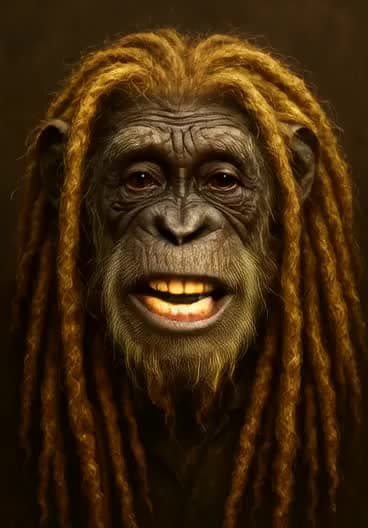
Compare · Sep 29, 2026
LemonSlice vs Anam: which one is better?
LemonSlice and Anam both build real-time, interactive avatars, and they show up in the same evaluations. Most teams deciding between them are really deciding what kind of character the product needs.
This page lays out the comparison in detail: where each model is stronger, what each one cannot do, and how to choose based on the specific use case.
What is LemonSlice?
LemonSlice is an AI research lab building interactive characters that talk, listen, and react in real time based on the conversation. The mission is to build the emotional engine of AI — characters that form a real emotional connection with humans — using a new technical approach called Character World Models.
LemonSlice’s CWM-1 model is an end-to-end video diffusion transformer (DiT): the same class of model as Veo 3 or Sora, except every pixel is generated at 20fps on a single GPU. Nothing is composited. There’s no face rig, no body rig, no background plate, and no library of pre-recorded footage being stitched together. Every frame of the character and their environment is generated, conditioned on the incoming audio and the state of the conversation.
- Characters are created from a single photo, instantly. Every plan includes an unlimited number of avatars. There’s no training to wait on and no per-avatar fee, because there’s no per-avatar model.
- Characters are not restricted to photorealistic humans. Cartoons, stylized characters, animals, and non-humanoid characters all work because the underlying model is not tied to a human face rig.
- The character has a body and an environment. Hand gestures and natural body language emerge as part of the performance. The character can hold objects, change clothes mid-call, and move to new scenes.
- The Action Engine lets you trigger gestures, emotions, and actions during a live conversation.
What is Anam?
Anam is a real-time avatar model. The clips in this comparison were generated with Cara-4, Anam’s current model.
Anam covers photorealistic humans and a limited set of cartoon humans. It does not render hands, a whole body, or controllable emotion. Animals, puppets, paintings, and most stylized characters are out of range, and Anam’s API rejects images the model cannot handle.
Anam reprocesses every uploaded image before it generates. It renders vertical and horizontal video, not square. Avatar slots are negotiated, and self-serve plans go up to 10. It offers data residency, zero data retention, and low latency.
Features
Both models can start from a photograph of a person. In these tests Anam still loses identity, breaks up facial hair, and drops hands.
This is one of the biggest differences between the models.
Anam can attempt cartoon humans, and many of them break. Stylized or non-photoreal humans are frequently a failed generation.
LemonSlice supports cartoon humans in any style, and can use the original image rather than a reprocessed one.
If you only ever need a straightforward photorealistic person, this difference matters less. If the character is a mascot, a puppet, or a stylized human, LemonSlice is the model that holds together.
Anam does not support animals, puppets, or other non-human characters. Its API rejects images the model cannot handle. LemonSlice supports any character in any style, because the model is not tied to a human face rig.
LemonSlice can drive emotion in the performance through the Action Engine. Anam does not have an emotion engine.
LemonSlice avatars have hands in the performance, and those hands move with the character.
In these tests, hands disappear or break in Anam. Objects the character is holding disappear with them.
LemonSlice can show a whole body, so the character can gesture and move. Anam stays a talking head.
LemonSlice renders vertical, horizontal, and square. Anam renders vertical and horizontal.
LemonSlice does not cap the number of avatars on any plan, and a character is created instantly from a single photo. Anam negotiates a slot count. Self-serve goes up to 10.
Both LemonSlice and Anam offer data residency.
Both LemonSlice and Anam offer zero data retention.
Both models are built for real-time conversation. This comparison does not include a like-for-like latency table.
Use cases where the choice matters most
Mascots and brand characters. If the avatar is a mascot, an animal, or a puppet, LemonSlice is the model that can do it. Anam cannot, and its API rejects many of those images outright.
Stylized characters. Paintings, anime, and highly stylized humans stay recognizable on LemonSlice. Anam loses the style of the original image, along with hands and objects in the frame.
Photoreal presenters. Anam can generate a photorealistic person, and it matches LemonSlice on data residency, zero data retention, and low latency. Expect identity drift, broken facial hair, and missing hands.
Hands and a full body. When the performance needs gesture, held objects, or more than a talking head, LemonSlice keeps them. Anam drops them.
The general pattern. If the avatar has to be a character, choose LemonSlice. If it only has to be a photorealistic person or a simple cartoon human, Anam can do that job, with those quality limits.
How these clips were made
Examples
Beyond natural gestures, LemonSlice’s Action Engine lets you trigger specific gestures or whole-body actions during a conversation — waving, cheering, leaning forward.
Anam does not offer triggerable gestures or whole-body motion.
Realistic
Photorealistic people. Anam can generate motion, but identity drifts, facial hair breaks up, and hands disappear.
Cartoon
Cartoons, animals, and puppets. LemonSlice keeps the character. Anam’s generation breaks down.
Stylized
Paintings, anime, and stylized humans. Anam loses the style of the original image, along with hands and objects in the frame.
Images Anam rejected
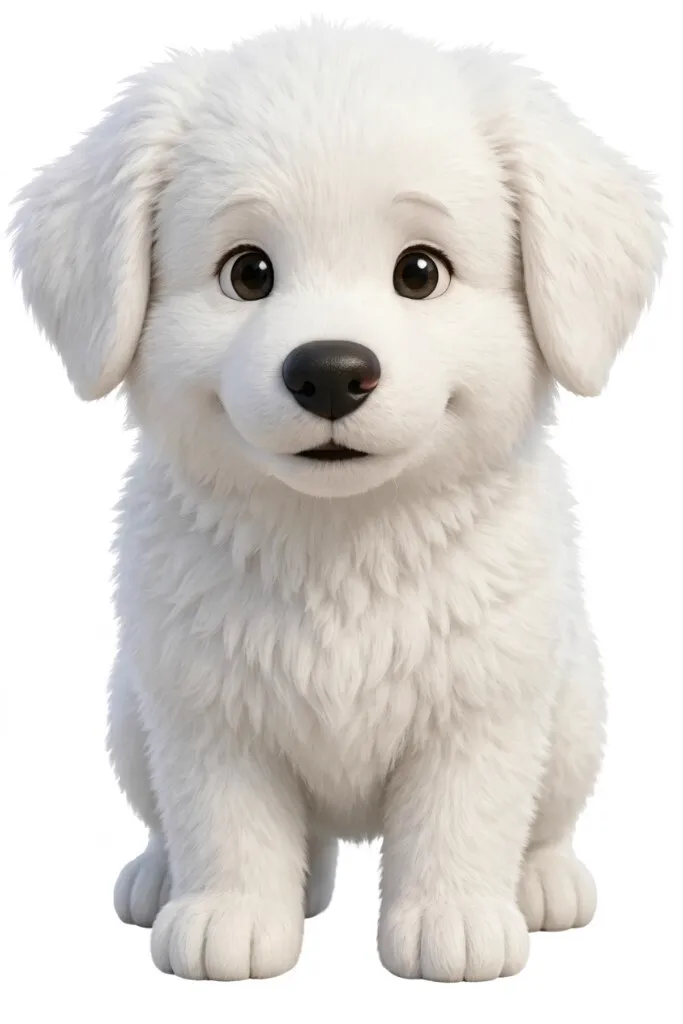
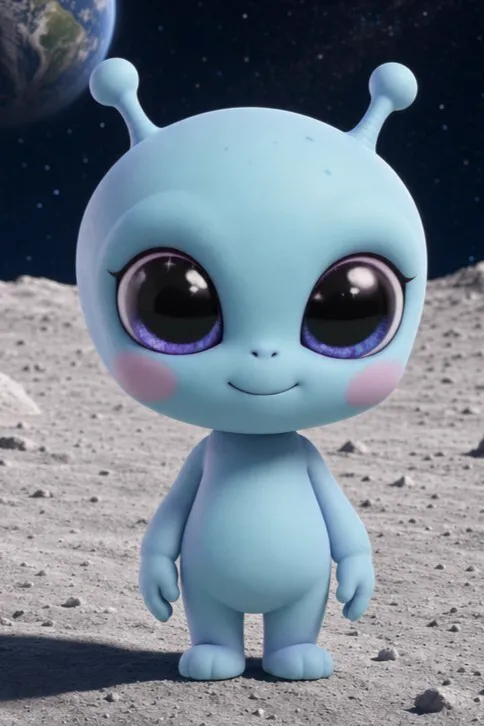
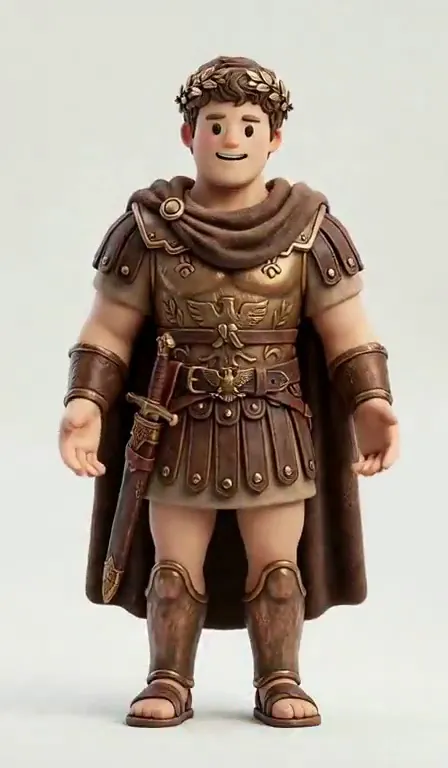
Anam’s API rejected these images because the model could not handle them. A puppy, an alien, and a stylized character never get a clip.
The verdict
Choose LemonSlice if the avatar has to be a character, not just a face. That includes cartoons, mascots, animals, anime, and anyone who needs hands, a whole body, or controllable emotion. Avatar count is unlimited, and the frame can be vertical, horizontal, or square.
Choose Anam if you only need photorealistic humans or simple cartoon humans. It matches LemonSlice on data residency, zero data retention, and low latency. It does not render hands or a whole body, it has no emotion engine, and self-serve avatar slots stop at 10.
The clearest way to decide: if the character is anything other than a straightforward human, LemonSlice is the model that can do it. Anam cannot.

Features
Both models can start from a photograph of a person. In these tests Anam still loses identity, breaks up facial hair, and drops hands.
This is one of the biggest differences between the models.
Anam can attempt cartoon humans, and many of them break. Stylized or non-photoreal humans are frequently a failed generation.
LemonSlice supports cartoon humans in any style, and can use the original image rather than a reprocessed one.
If you only ever need a straightforward photorealistic person, this difference matters less. If the character is a mascot, a puppet, or a stylized human, LemonSlice is the model that holds together.
Anam does not support animals, puppets, or other non-human characters. Its API rejects images the model cannot handle. LemonSlice supports any character in any style, because the model is not tied to a human face rig.
LemonSlice can drive emotion in the performance through the Action Engine. Anam does not have an emotion engine.
LemonSlice avatars have hands in the performance, and those hands move with the character.
In these tests, hands disappear or break in Anam. Objects the character is holding disappear with them.
LemonSlice can show a whole body, so the character can gesture and move. Anam stays a talking head.
LemonSlice renders vertical, horizontal, and square. Anam renders vertical and horizontal.
LemonSlice does not cap the number of avatars on any plan, and a character is created instantly from a single photo. Anam negotiates a slot count. Self-serve goes up to 10.
Both LemonSlice and Anam offer data residency.
Both LemonSlice and Anam offer zero data retention.
Both models are built for real-time conversation. This comparison does not include a like-for-like latency table.
Use cases where the choice matters most
Mascots and brand characters. If the avatar is a mascot, an animal, or a puppet, LemonSlice is the model that can do it. Anam cannot, and its API rejects many of those images outright.
Stylized characters. Paintings, anime, and highly stylized humans stay recognizable on LemonSlice. Anam loses the style of the original image, along with hands and objects in the frame.
Photoreal presenters. Anam can generate a photorealistic person, and it matches LemonSlice on data residency, zero data retention, and low latency. Expect identity drift, broken facial hair, and missing hands.
Hands and a full body. When the performance needs gesture, held objects, or more than a talking head, LemonSlice keeps them. Anam drops them.
The general pattern. If the avatar has to be a character, choose LemonSlice. If it only has to be a photorealistic person or a simple cartoon human, Anam can do that job, with those quality limits.
How these clips were made
Examples
LemonSlice only: triggerable actions
Beyond natural gestures, LemonSlice’s Action Engine lets you trigger specific gestures or whole-body actions during a conversation — waving, cheering, leaning forward.
Anam does not offer triggerable gestures or whole-body motion.
Realistic
Photorealistic people. Anam can generate motion, but identity drifts, facial hair breaks up, and hands disappear.
Cartoon
Cartoons, animals, and puppets. LemonSlice keeps the character. Anam’s generation breaks down.
Stylized
Paintings, anime, and stylized humans. Anam loses the style of the original image, along with hands and objects in the frame.
Images Anam rejected
Anam’s API rejected these images because the model could not handle them. A puppy, an alien, and a stylized character never get a clip.


The verdict
Choose LemonSlice if the avatar has to be a character, not just a face. That includes cartoons, mascots, animals, anime, and anyone who needs hands, a whole body, or controllable emotion. Avatar count is unlimited, and the frame can be vertical, horizontal, or square.
Choose Anam if you only need photorealistic humans or simple cartoon humans. It matches LemonSlice on data residency, zero data retention, and low latency. It does not render hands or a whole body, it has no emotion engine, and self-serve avatar slots stop at 10.
The clearest way to decide: if the character is anything other than a straightforward human, LemonSlice is the model that can do it. Anam cannot.